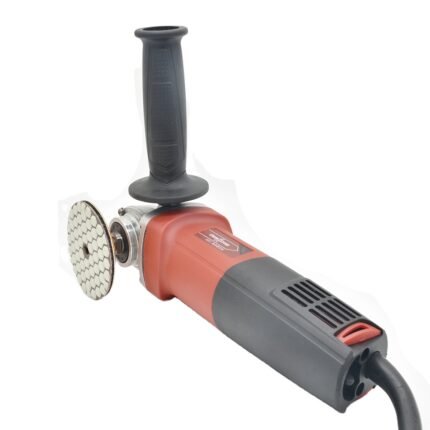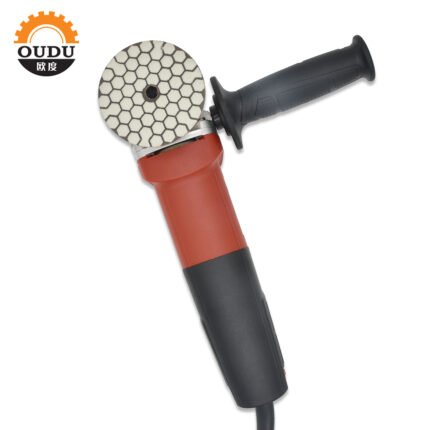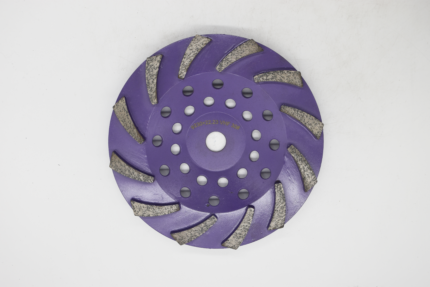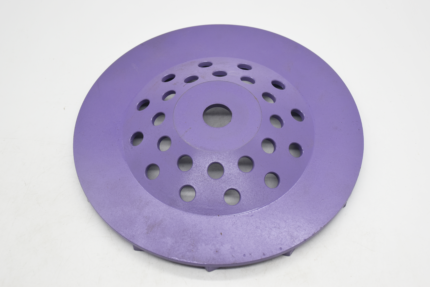
For stone fabricators and floor restoration contractors, the debate between utilizing wet or dry diamond polishing systems is an ongoing operational challenge. Selecting the incorrect system is more than an issue of surface gloss; it directly impacts consumable wear rates, machinery lifespan, workshop safety standards, and overall operating expenditures (OpEx).
Both wet and dry diamond polishing pads have distinct material formulations and mechanical limitations. Deciding which system to prioritize depends heavily on your shop’s physical setup, target materials, and local environmental regulations. This B2B guide analyzes both systems to help you calculate the optimum return on investment (ROI) for your business.
Technical Differences: Resin Matrix and Wear Mechanisms
The fundamental difference between wet and dry pads lies in their heat tolerance and abrasive release mechanisms:
Wet Polishing Pads
Because water constantly cools the grinding surface, wet pads utilize standard, cost-efficient resin bonds. The water quickly carries away fine stone slurry, ensuring the exposed synthetic diamonds maintain direct contact with the stone. Consequently, wet pads wear out slowly and consistently, offering a predictable lifespan.
Dry Polishing Pads
With no liquid coolant to regulate friction heat, dry pads must survive temperatures that easily carbonize standard resins. To prevent “scorching” or leaving dark yellow marks on dark marble, dry pads utilize high-temperature resin bonds (often featuring polyimide matrices). These resins are designed to slowly and evenly erode under high temperatures, continuously exposing fresh diamond grits in a “self-sharpening” cycle. This makes dry pads wear down faster than wet pads.
Wet Polishing Pads: The Controlled Environment Powerhouse
Wet polishing remains the industry standard for fixed-location fabrication shops that process large volumes of natural and engineered stone slabs.
Advantages
- Extended Consumable Lifespan: Due to constant water cooling, wet pads generally last 1.5 to 2 times longer than dry pads of the same quality class.
- Zero Airborne Dust: The water instantly binds to silica particles, neutralizing health risks related to respirable crystalline silica (RCS).
- Faster Cutting Rates: Wet lubrication allows the diamonds to shave the surface at maximum speed with minimal drag.
Disadvantages
- Infrastructure Costs (CapEx): Implementing wet polishing on a large scale requires dedicated plumbing and a Water Recycling System to process stone slurry before disposal.
- Mess and Cleanup: Wet grinding creates a thick, wet mud that requires constant scraping, squeegeeing, and containment.
- Unsuitable for Finished Sites: Wet systems cannot be used for on-site residential repairs or post-installation touch-ups where water runoff will damage surrounding cabinetry or walls.
Dry Polishing Pads: The Versatile Field Performer
Dry polishing has witnessed rapid growth due to the expansion of on-site installation services, custom residential remodeling, and concrete floor restoration.
Advantages
- Clean On-Site Setup: No water runoff means you can perform detailed edge-polishing, seams, and repairs directly inside a finished kitchen or bathroom.
- Portability: Handheld grinders do not require water hookups or GFCI water-safety lines, allowing contractors to move freely around job sites.
- Immediate Inspection: Because the surface remains dry, operators can inspect the reflective gloss (dry-shine) instantly without waiting for water to evaporate.
Disadvantages
- Silica Dust Hazard: Dry grinding generates fine, airborne silica dust. Fabricators must invest in expensive dust extraction shrouds and HEPA vacuums to remain compliant with strict occupational health guidelines (such as OSHA).
- Shortened Pad Lifespan: High thermal stress accelerates resin erosion, leading to a higher cost-per-square-foot.
- Scorching Risks on Sintered Stones: Highly compressed materials like Dekton or dark engineered quartz can scorch or discolor if the dry pad dwells on one spot for too long.
Material Compatibility Matrix
Selecting between wet and dry systems should also align with the specific materials your shop processes:
| Material Type | Recommended System | Reason |
|---|---|---|
| Hard Granite | Wet Polishing | Granite’s high quartz content requires high-speed wet cutting to prevent premature tool wear and overheating. |
| Marble & Limestone | Wet or Dry | Soft marbles dry-polish easily, but operators must limit dry grinder speeds to 2,000–3,000 RPM to avoid heat marks. |
| Engineered Quartz | Wet Polishing | Quartz contains high amounts of polymer resins which burn and discolor under dry heat. |
| Concrete & Terrazzo | Hybrid / Dry | Dry grinding concrete allows operators to observe the floor’s flatness, but wet pads are often used on hard terrazzo to preserve diamond life. |
The Hybrid Approach: Shop vs. Site Strategy
For many professional stone fabrication businesses, the most profitable strategy is not choosing one over the other, but adopting a hybrid workflow:
This hybrid approach ensures your factory operates at the lowest possible cost-per-square-foot while your field installation teams maintain maximum agility and client convenience on-site.
Partner with Quanzhou Tianli for OUDU Dry and Wet Pads
Whether your shop’s layout relies on wet or dry grinding systems, consistent abrasive performance is critical to preserving your profit margins.
Manufactured by Quanzhou Tianli Grinding Tools Co., Ltd., a premier Chinese manufacturer with over 27 years of research experience since 1997, our OUDU brand offers robust lines for both wet and dry processing. Our wet pads are formulated for consistent wear and rich gloss building, while our dry pads utilize advanced thermal resin matrices with deep honeycomb patterns to maximize airflow and prevent stone scorching.
We support global stone tool distributors and industrial workshops with bulk factory-direct supply, OEM/ODM customized formulations, and certified quality consistency.
Contact our technical consulting team today to request free product samples or to receive a tailored B2B wholesale quotation.