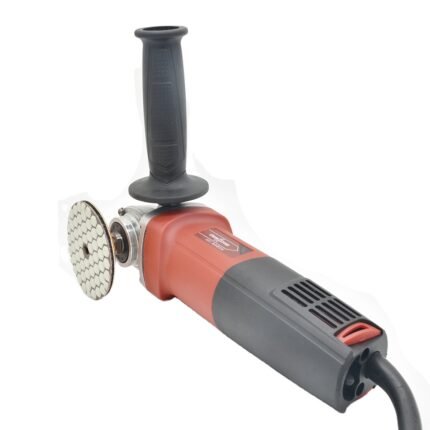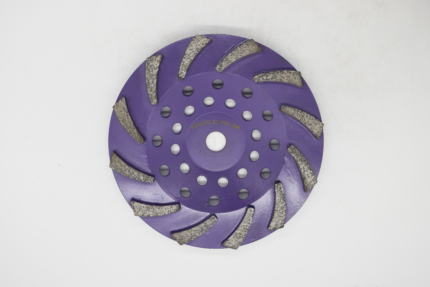
Diamond blade overheat is a common but avoidable problem when cutting quartz and hard stone. Excessive heat will damage diamond segments, cause burning marks and shorten the service life of your saw blade. We will break down its causes and share effective prevention tips.
The good news is that overheating is almost entirely preventable. By understanding the root causes and implementing a disciplined workflow, fabricators can keep their blades cool and cutting efficiently.
Overheating causes
Friction is the fundamental source of heat in any cutting process. When a diamond blade overheats, it is usually due to excessive friction at the contact zone.
General causes include:
Pushing the blade too hard or feeding too fast.
Cutting highly dense or hard materials without adjusting technique.
Using a dull or glazed blade that rubs instead of shears.
Poor machine alignment or worn flanges causing vibration.
Continuous, uninterrupted cutting without allowing the blade to cool.
When heat cannot be dissipated quickly enough, the metal bond softens, the steel core can warp, and the material being cut may burn or chip.
Incorrect RPM
Using the wrong RPM is a direct and common cause of overheating. Every diamond blade has a recommended operating range based on its diameter and the material being cut.
Too high an RPM:Generates excessive friction and heat at the point of contact. The blade may cut aggressively at first, but the heat will quickly damage the bond.
Too low an RPM: Causes the blade to grab, stall, or rub. Instead of grinding through the quartz particles, the blade skids over them, creating immense friction and heat.
Always match the RPM to the blade manufacturer’s specifications. For most engineered quartz, a moderate RPM with a steady feed produces the coolest and cleanest results.
Poor cooling
Water serves two critical functions in wet cutting: it cools the blade and flushes away abrasive slurry. Poor cooling is the most common cause of overheating.
Key cooling failures include:
– Dry cutting: Never cut quartz dry. It generates extreme heat and dust.
– Insufficient water flow: If the water volume is too low, it cannot dissipate the heat generated at the cut line.
– Dirty water:Recirculating dirty water means abrasive particles are constantly rubbing against the blade, increasing friction and heat.
– Blocked or misaligned nozzles: Water must be directed at both sides of the blade. If nozzles are clogged, the blade will run hot even if the pump is running.
– Water not reaching the cut zone: Ensure the water actually penetrates the kerf, not just splashes the blade guard.
Hard bond issues
The metal bond is the “holder” for the diamond crystals. It must wear away at the right rate to expose fresh diamonds (a process called self-sharpening). If the bond is too hard for the material being cut, it creates a major overheating problem.
When using a hard-bond blade on engineered quartz:
1. The bond does not wear away fast enough.
2. The diamond crystals become dull but are not released.
3. The blade surface becomes glazed, shiny, and smooth.
4. The blade rubs instead of cutting, generating massive heat.
Conversely, if the bond is too soft, it wears away too quickly, exposing the steel core and leading to segment loss. Choosing a blade with a bond hardness specifically matched to quartz is essential.
Prevention
Preventing overheating is systematic. Before every cut, confirm the following:
1. Use the correct blade: Choose a wet-cut diamond blade engineered specifically for engineered quartz. A continuous rim blade with the correct bond hardness is ideal.
2. Maintain constant, clean water flow: Keep the cut line wet at all times. Check nozzles, hoses, and pumps. Change dirty water frequently.
3. Match RPM to the manufacturer’s recommendation:** Never run the blade faster or slower than its designed range.
4. Feed steadily and moderately: Let the blade do the work. Do not push. Reduce feed rate at the entry and exit points.
5. Inspect and dress the blade: A glazed blade can often be refreshed with a dressing stone. Replace blades with cracks, missing segments, or a warped core.
6. Align the saw and check flanges: Clean flanges and proper mounting reduce vibration and heat.
7. Test on scrap first: A 5-minute test cut reveals water flow, RPM, and feed rate issues before they ruin the main slab.
FAQ
Q: Can I cut quartz with a dry diamond blade?
A: No. Dry cutting generates excessive heat, dust, and chipping. Always cut quartz wet with continuous water flow.
Q: Why does my blade get hot even with water?
A: Possible causes include blocked nozzles, low water volume, dirty water, wrong RPM, excessive feed rate, a glazed blade, or poor blade alignment.
Q: How do I know if my blade is glazed?
A: The segments look shiny or smooth, cutting becomes slow, and the blade generates heat instead of cutting efficiently.
Q: Does overheating cause chipping?
A: Yes. Heat softens the bond, increases vibration, and weakens the cut edge, all of which contribute to chipping.
Q: How can I make my diamond blade last longer?
A: Use the right blade, maintain clean water flow, control RPM and feed rate, avoid side pressure, support the material, and inspect the blade regularly.
Conclusion
Diamond blade overheating is not inevitable. It is the result of correctable errors in blade selection, water management, RPM, feed rate, alignment, and technique. By keeping the blade cool, clean, and properly matched to the material, fabricators can cut quartz faster, cleaner, and with far less chipping and rework.
For professional diamond tool solutions, Quanzhou Tianli Grinding Tools Co., Ltd. offers premium diamond cutting blades and resin-bonded diamond pads engineered for quartz and other hard stones. For technical guidance on blade selection, RPM settings, and cooling strategies, contact our team—we help fabricators cut smarter, not harder.