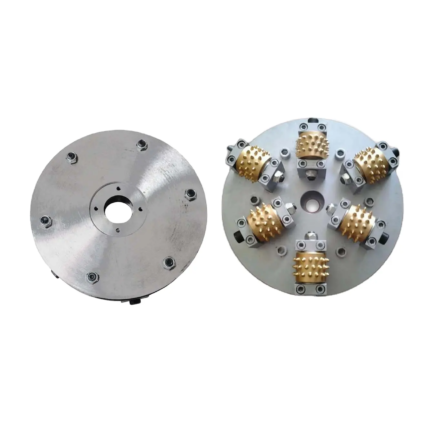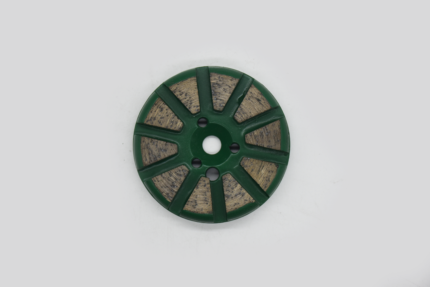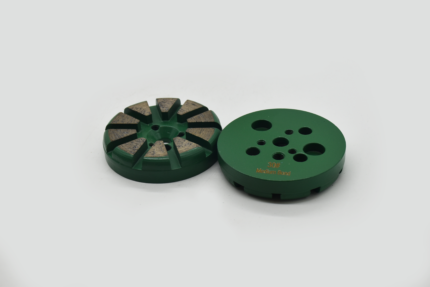
Diamond Segments for Engineered Quartz: Reduce Vibration & Chipping
A practical guide to reducing vibration, chipping, and blade wear
Quanzhou, China-Diamond segments are the working edge of a diamond blade. Their quality, bond hardness, shape, and compatibility with the machine have a direct impact on cut quality, blade life, operator safety, and production efficiency. In engineered quartz and other hard stones, choosing the wrong diamond segments can lead to vibration, glazing, chipping, overheating, and premature blade failure.
Industry guidance on diamond blade vibration notes that most vibration is preventable. Four main causes-blade imbalance, machine issues, flange problems, and RPM mismatch-are often linked to incorrect blade or segment selection, poor mounting, or unsuitable cutting conditions. For fabricators, choosing the right diamond segments is the first step toward smoother, cleaner, and longer-lasting cuts.
Match the Segment to the Material
Engineered quartz is dense, hard, and abrasive. It requires diamond segments designed specifically for hard stone. A general-purpose segment intended for softer materials may glaze, cut slowly, or generate excessive heat. For engineered quartz, a wet-cut diamond blade with the correct bond hardness and a continuous rim is often recommended. A continuous rim provides smoother engagement and helps reduce chipping, while the correct bond allows diamonds to expose at a steady rate.
Understand Bond Hardness
Bond hardness is one of the most important factors in segment selection. The bond holds the diamonds in place. If the bond is too hard, the diamonds can become dull and the blade may glaze, rub, vibrate, and overheat. If the bond is too soft, the segment may wear too quickly, lose its shape, and create imbalance.
As a general rule, hard and dense materials often require a softer, free-cutting bond so fresh diamonds are exposed. Abrasive materials may require a harder bond to resist rapid wear. For engineered quartz, always follow the blade manufacturer’s recommendation for bond hardness.
Select the Right Diamond Grit, Concentration, and Segment Design
Diamond grit, concentration, segment height, segment width, and rim design all affect performance.
– Fine grit generally produces a smoother finish and less chipping.
– Coarser grit may cut faster but can leave a rougher edge.
– Diamond concentration affects cutting speed, blade life, and heat generation.
– Segment shape and number influence clearance, cooling, stability, and cutting speed.
For engineered quartz, a fine diamond grit, moderate concentration, and continuous rim design are often preferred for clean, stable cuts. More segments do not automatically mean better performance. Consistent spacing and balanced segment weight are critical.
Check RPM and Machine Compatibility
Every diamond blade has a recommended operating range and a maximum safe RPM. Using the wrong RPM is a direct cause of vibration.
Too high an RPM amplifies any existing imbalance and can exceed the blade’s safety rating. It may damage the bond and steel core.
Too low an RPM causes the blade to grab, stall, or rub, creating vibration and heat instead of cutting smoothly.
Always match the RPM to the blade manufacturer’s specifications and the material being cut. Also check the machine condition. Worn spindle bearings, a bent arbor shaft, loose motor mounts, worn belts or pulleys, and excessive play in the carriage or guide rails can make even a high-quality diamond segment vibrate.
Flanges and Mounting Matter
Flanges clamp the blade and keep it flat. If flanges are dirty, damaged, warped, mismatched, or undersized, the blade will wobble even if the segments are perfectly balanced.
Before mounting, clean and inspect the flanges. Remove dirt, dried slurry, and metal burrs. Use a matched, flat set with the correct diameter. Tighten the arbor nut evenly to the manufacturer’s torque specification. Never run a blade with damaged flanges.
Choose Wet or Dry Cutting Correctly
For engineered quartz, wet cutting is generally preferred because it provides cooling, dust control, and a smoother finish. Maintain clean water flow throughout the cut. Dry cutting should only be done with a blade specifically rated for dry use and with proper ventilation and safety precautions.
Choose a Quality Manufacturer
A reliable diamond segment manufacturer controls diamond quality, bond formulation, segment weight, tensioning, and arbor hole precision. Uneven segment wear, a missing segment, a bent steel core, or poor tensioning can cause imbalance and vibration. Consistent quality and technical support are especially important when cutting hard stones such as engineered quartz.
Installation and Break-In Checklist
Before every cut, confirm the following:
1. Inspect the blade: Check for cracks, missing segments, a bent core, or a worn arbor hole. Replace damaged blades immediately.
2. Clean and inspect the flanges: Remove all debris, burrs, and dried slurry. Use matched, flat flanges of the correct diameter.
3. Mount the blade correctly: Tighten the arbor nut to the recommended torque. Do not over-tighten.
4. Check machine condition: Inspect spindle bearings, arbor shaft, belts, pulleys, mounts, and guide rails. Repair or replace worn parts.
5. Match RPM to the blade and material: Never run the blade faster or slower than its designed range.
6. Use the correct blade: Choose a wet-cut diamond blade engineered for engineered quartz, with the correct bond hardness and continuous rim.
7. Feed steadily and moderately: Let the blade do the work. Reduce the feed rate at entry and exit points. Avoid side pressure.
8. Support the material:Unsupported slabs can vibrate and pinch the blade, causing chipping and blade damage.
9. Dress the blade when needed: A glazed blade can often be refreshed with a dressing stone.
10. Test on scrap first: A short test cut reveals vibration, alignment, RPM, and feed rate issues before they ruin the main slab.
FAQ
Q: What diamond segment is best for engineered quartz?
A: In most cases, a wet-cut blade with a continuous rim, fine diamond grit, and bond hardness matched to quartz is recommended. The exact choice depends on the machine, blade diameter, and feed rate.
Q: Should I choose a hard bond or a soft bond?
A: Hard, dense materials such as engineered quartz often benefit from a softer, free-cutting bond that exposes diamonds steadily. Abrasive materials may require a harder bond. Using the wrong bond can cause glazing or rapid wear.
Q: How many segments should a diamond blade have?
A: The correct number depends on blade diameter, machine power, material, and segment design. More segments do not automatically mean better performance. Balance and consistent spacing are critical.
Q: Why does my new diamond blade vibrate?
A: A new blade can vibrate because of a bent core, a damaged arbor hole, dirty or warped flanges, incorrect mounting, a worn machine spindle, or an RPM that is too high.
Q: Can vibration cause chipping?
A: Yes. Vibration prevents smooth engagement with the material, creates impact loading on the segments, and weakens the cut edge. This leads to chipping, a rough finish, and premature blade wear.
Q: Can I fix a bent diamond blade?
A: No. A bent or cracked steel core cannot be safely straightened. Replace the blade. Attempting to repair it can lead to dangerous failure.
Q: How can I make my diamond segments last longer?
A: Use the correct blade, maintain clean water flow, match RPM and feed rate, avoid side pressure, support the material, keep flanges clean, and inspect the blade and machine regularly.
Conclusion
Choosing diamond segments is not simply a matter of picking the most aggressive or least expensive option. It is a systematic decision that involves matching the segment to the material, bond hardness, diamond grit, concentration, rim design, RPM, machine condition, flange quality, and cutting technique. The right diamond segments reduce vibration, chipping, rework, and downtime while improving cut quality and operator safety.
For professional diamond tool solutions, Quanzhou Tianli Grinding Tools Co., Ltd. offers premium diamond cutting blades and resin-bonded diamond pads engineered for quartz and other hard stones. For technical guidance on segment selection, RPM settings, flange inspection, and vibration control, contact our team-we help fabricators cut smarter, not harder.